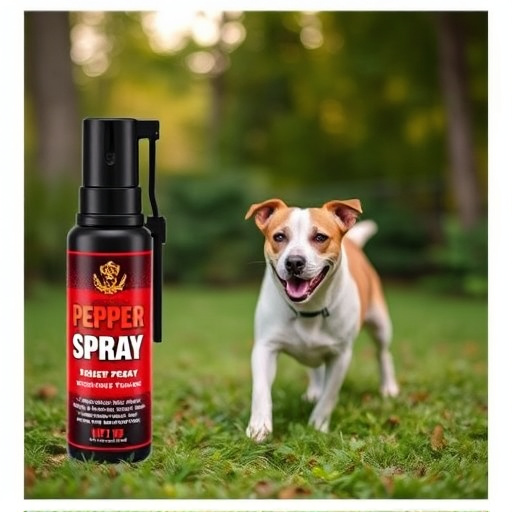
Dog aggression, driven by fear, territoriality, health, or socialization issues, requires strategic intervention. Pepper spray, specifically formulated against aggressive dogs, uses capsaicin to deter behavior within a 3-5 meter range, influenced by weather, terrain, and concentration. Effective selection involves considering ingredients, concentration, range, and delivery mechanism to balance potency with safety during encounters.
“Unraveling the effectiveness of pepper spray in dealing with aggressive dogs involves understanding both canine behavior and the science behind pepper spray formulations. This article delves into the intricate details, offering insights on how various factors influence the effective distance of dog spray. From recognizing dog aggression triggers to selecting the optimal pepper spray formulation, we provide a comprehensive guide for responsible and effective canine control. Learn how to navigate this powerful tool with confidence and ensure safety for both dogs and their handlers.”
- Understanding Dog Aggression and Spray Response
- Factors Affecting Pepper Spray's Effective Distance
- Choosing the Right Formula for Canine Control
Understanding Dog Aggression and Spray Response
Understanding Dog Aggression and Spray Response
Dog aggression, whether directed at people or other animals, is a complex behavior that can stem from various factors such as fear, territoriality, health issues, or improper socialization. When a dog perceives a threat, it may respond with growling, snarling, or even attacking. Pepper spray, specifically formulated against aggressive dogs, acts as a crucial deterrent in these situations. The key ingredient in most dog-specific pepper sprays is capsaicin, the compound that gives chili peppers their heat. When sprayed, capsaicin irritates the eyes and respiratory system of the targeted dog, temporarily disorienting it and creating enough space for the owner or handler to safely de-escalate the situation.
Knowing the effective distance of pepper spray against aggressive dogs is vital. Typically, these sprays are designed to work within a range of 3-5 meters (10-16 feet), allowing users to maintain a safe distance while applying the deterrent. However, factors like wind, weather conditions, and the dog’s behavior can affect the spray’s reach and effectiveness. Understanding how pepper spray interacts with canine aggression enables responsible pet owners and professionals alike to better navigate potentially dangerous encounters, ensuring both animal and human safety.
Factors Affecting Pepper Spray's Effective Distance
The effective distance of pepper spray against aggressive dogs is influenced by several factors, including the formulation and concentration of the spray. Different pepper spray brands use varying combinations of capsaicinoids, the chemical compound responsible for the burning sensation and subsequent discomfort. Higher concentrations of capsaicin in the spray generally result in a longer effective range due to its potent irritant properties.
Additionally, weather conditions play a significant role. In harsh environments with high winds or low temperatures, pepper spray may dissipate more quickly, reducing its effective distance. On the other hand, humid conditions can cause the spray to linger longer on the target’s eyes and respiratory system, increasing its impact range. The terrain and surface where the spray is deployed also matter; rough or uneven ground can disrupt the spray’s trajectory, while smooth surfaces may allow for better dispersion, affecting the overall effective distance.
Choosing the Right Formula for Canine Control
When considering a pepper spray formulation against aggressive dogs, it’s crucial to understand that not all sprays are created equal. The effectiveness of canine control measures greatly depends on the active ingredients and their concentration in the spray. Formulations designed for dog deterrence should include capsaicin, the primary component found in chili peppers, which is known for its irritant properties. This ingredient can be highly effective in disorienting and temporarily incapacitating aggressive dogs without causing severe harm or long-term health issues.
Additionally, the spray’s range and delivery mechanism are vital considerations. For optimal control, look for dog sprays with a reach of 3 to 4 meters (10 to 13 feet), allowing for safe intervention from a distance. Stream or fog-type dispensers offer broader coverage, ensuring that the target animal is fully enveloped in the irritant mist. Choosing the right pepper spray formulation against aggressive dogs involves balancing potency, range, and delivery system to ensure maximum effectiveness while minimizing risks.
When it comes to dealing with aggressive dogs, understanding the science behind pepper spray formulations is key. By considering factors like weather conditions, dog behavior, and spray application technique, you can maximize the effective distance of your chosen pepper spray. Choosing the right formula tailored to canine control ensures not only safety but also a strategic approach to managing potential threats. Remember, proper training and a well-selected Pepper Spray Formulation Against Aggressive Dogs are essential tools in maintaining a secure environment for both humans and their four-legged companions.